Ubuntu
A user-friendly Debian-based Linux distribution.
Ubuntu is one of the most widely used Linux distributions on both desktops and servers. Releases follow a fixed six-month cadence, with each release named alphabetically (jammy, kinetic, lunar, mantic, noble) — and every fourth release is a Long Term Support (LTS) version with five years of free updates and the option to extend support further through Canonical's commercial Ubuntu Pro subscription.
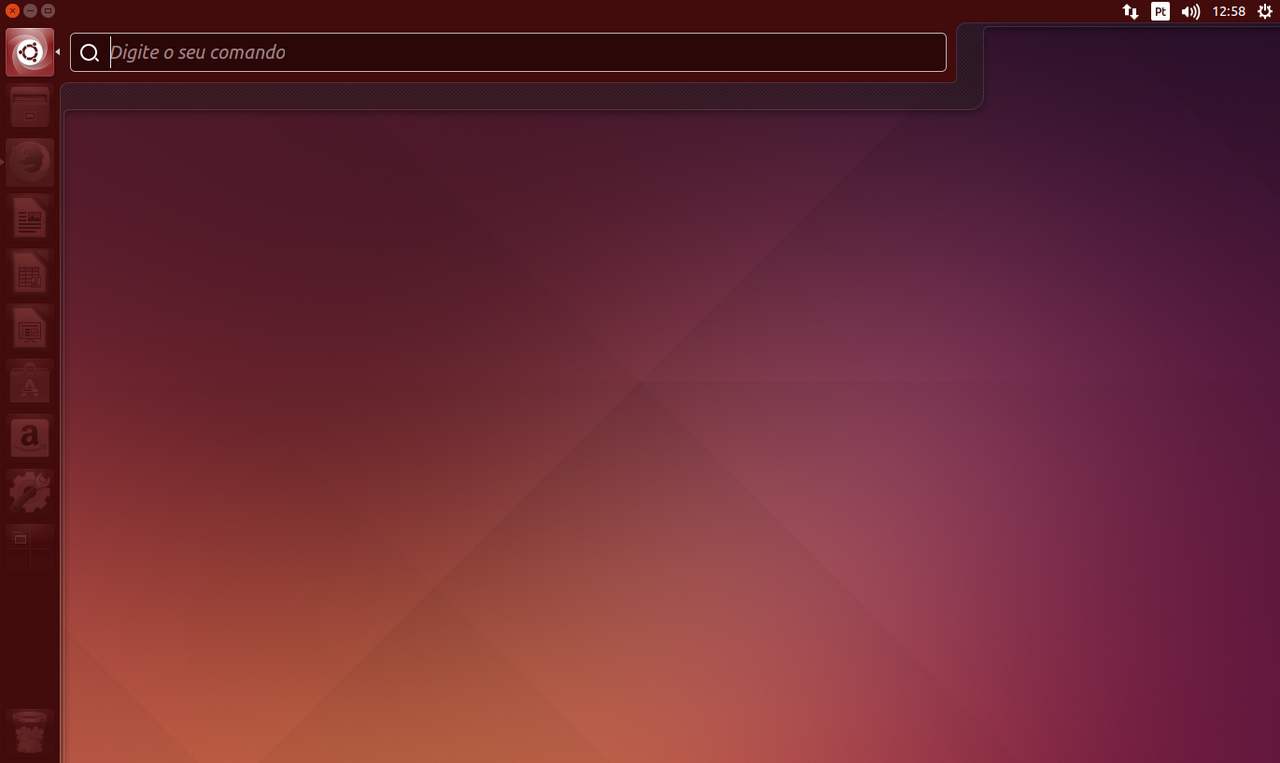
Canonical, the company behind Ubuntu, has driven a number of ecosystem projects with mixed success: Snap (the universal package format), Mir (a now-defunct display server), Unity (the default desktop from 2010 to 2017, now back on Ubuntu Unity edition), Juju (cloud orchestration), and MAAS (bare-metal provisioning). Ubuntu's relationship with the wider open-source community has occasionally been strained over these projects, but the distribution itself remains broadly liked.
Ubuntu has been the default Linux distribution for many use cases for almost twenty years: cloud servers (the most popular distribution on AWS, Azure, and GCP for general-purpose Linux workloads), developer laptops (especially in software companies where developer tooling assumes Ubuntu), and entry-level desktop Linux. The 24.04 LTS release in 2024 modernised the desktop on GNOME 46 with continued investments in Snap and the new "Ubuntu Pro" subscription model.
License: Composite (GPL, MIT, BSD, etc.) per package
Category: Distribution
Website: https://ubuntu.com/
Install
Download an ISO from https://ubuntu.com/download and write it
to a USB stick:
  sudo dd if=ubuntu.iso of=/dev/sdX bs=4M status=progress
Or, in a container/virtual machine:
  docker run -it ubuntu:latest bash
Authors
- Canonical Ltd. and the Ubuntu community
